

The Board steers the governance and strategic direction for ATODA, with a diversity of skills and experience reflecting our broad membership.

Sharon Tuffin, Chair
Sharon is the CEO of Karralika Programs and Chair of the ATODA Board. With almost 15 years experience in the for purpose sector, and over 30 years in the health and social policy fields, Sharon’s depth of knowledge, understanding and experience in public health, business, governance and leadership drives her work. She is passionate about fostering collaboration across sectors and agencies to support a sector and a community that is inclusive; where people can access the support they need without fear, judgement, or discrimination. An advocate for the workforce, Sharon wants to encourage people to join the alcohol, tobacco and other drugs sector, and works with ATODA to support continued professional development to drive service excellence and meet the needs of our communities.

Vanessa Gstrein, Deputy Chair
Dr Vanessa Gstrein is a social scientist who has worked in the public, not-for-profit, and higher education sectors. She has experience, nationally and internationally, in the fields of social policy and public health with a focus on HIV and injecting drug use, gambling harm, and sexual health. This includes roles with the Australian Government (AusAID), the ACT Government and the not-for-profit sector. Vanessa has also worked in both an academic and professional capacity in a number of universities, including as a Senior Advisor, Strategy and Planning at the University of Tasmania, and as a Senior Research Fellow at the University of Canberra. Vanessa currently works at Questacon as the Senior Manager for Strategic Engagement. Vanessa was awarded her PhD from Ulster University in 2019. Her thesis presented her comparative international study of illicit drug policy in Australia and Canada focusing on drug consumption rooms and the barriers to replicating controversial public policy. Vanessa has also co-authored an evaluation of forced labour in the cotton industry in Uzbekistan for the Corruption and Human Rights Initiative and published on drug policy and citizenship education in Northern Ireland.

David Baxter, Treasurer
David has worked in the ATOD sector for over 10 years as a peer educator and harm reduction worker at the Canberra Alliance for Harm Minimisation and Advocacy (CAHMA) and The Connection. He has been involved in the establishment of Canberra’s take-home naloxone program, running regular training workshops in opioid overdose management. David has lived experience of the issues facing people who use drugs including stigma, discrimination, and difficulties in accessing treatment programs in a timely manner. David has served on the ATODA Board since 2020.

Thomas Booth, Secretary
Tom is the Services Manager for The Salvation Army’s ATOD Services in Canberra and Wagga Wagga, which incorporates Canberra Recovery Service, a 37 Bed Residential Unit, Canberra Recovery Hub, a Community Day Program, and the new Wagga Wagga Recovery Hub. Tom has worked in the ATOD and Community Development Sector for over 20 years, delivering and managing services in the UK, Southeast Asia and Australia.

Bronwyn Hendry, Board Director
Bronwyn is the CEO of Directions Health Services. She has over 30 years’ experience in mental health and alcohol and other drug sectors, in both clinical and executive roles. Prior to joining Directions in 2013, Bronwyn was the Director Mental Health in the Northern Territory for 11 years. She has extensive experience delivering services in urban, regional and remote areas, working in partnership with service providers and communities to develop innovative programs that better meet the needs of marginalised and disadvantaged populations.

Kellie Friend, Board Director
A passionate leader dedicated to influencing system level social change. With over 20 years experience spanning across public, commercial and not-for-profit sector environments, Kellie has expertise in leadership and organisational transformation and growth. A recipient of an Australia Day commendation for innovation and improvement, Kellie has led enterprise-wide initiatives resulting in sustained business viability and evidenced-based services and programs supporting people’s health and wellbeing. A for-purpose leader with the objective of listening to and elevating the voices of those with lived experiences to inform better social outcomes and alleviate disadvantage.
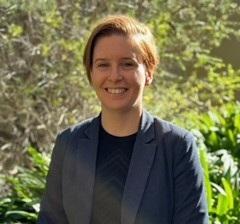
Abbey Andrews, Board Director
Abbey is the Director of Youth, Homelessness and AOD Programs at Marymead CatholicCare, where she leads multidisciplinary teams and oversees complex, community-based services supporting young people, individuals and families. She has over 20 years of experience across the alcohol and other drugs, youth, homelessness and domestic and family violence sectors, and is committed to evidence-informed, rights-based practice. Abbey is passionate about strengthening service systems through collaboration, reducing fragmentation, and advocating for compassionate and equitable responses for people who use alcohol and other drugs. Working across multiple sectors, she brings a strong AOD lens to broader policy and service discussions, with a focus on integration, visibility and improved outcomes for the ACT community.
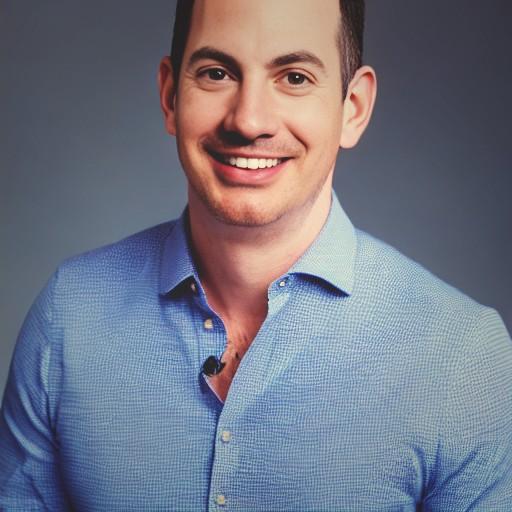
Simon Temby, Board Director
Simon is the Federal Lead for Neo4j and has been a dedicated supporter of the ATOD sector for many years, driven by a personal commitment to family, friends, and community. With a professional background rooted in complex data systems, he is passionate about the role of data and analytics in driving informed decision-making and improving community outcomes. Simon combines this technical expertise with a lived understanding of the challenges facing families, advocating for a sector that is both evidence-based and deeply compassionate.

Emily Lenton, Board Director
Emily has extensive experience in research, workforce development, and health promotion, particularly in the areas of blood-borne viruses (BBVs) and alcohol and other drugs (AOD). Her work is deeply rooted in harm reduction principles and ethical, research-informed approaches to improving the health and wellbeing of people who are affected by the criminalisation and stigmatisation of drug consumption. Emily has a long-standing history of working collaboratively with diverse stakeholders, including government and non-government organisations, and communities with lived experience. Her approach is grounded in respect, partnership, and a commitment to systemic change. Her work focuses on identifying opportunities for policy and system reform, and fostering cross-sector collaboration to uphold the dignity, rights, and health of people who consume substances.